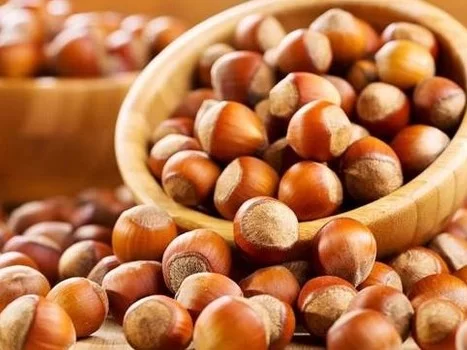
Because of their particular composition of fat (mostly oleic acid), protein, carbohydrates, vitamins (vitamin E), minerals, dietary fibre, phytosterols (beta-sitosterol) and antioxidant phenolics, hazelnuts hold an important place among nuts for human nutrition and health.
Their nutritional and sensory properties make hazelnuts a unique and ideal ingredient for food products. With about 60.5% fat, they are a good source of energy.
Healthy Fats
Many researchers report positive effects of hazelnut consumption on human nutrition. These may be related to the fatty acid profile of hazelnut oil, which is rich in mono- and polyunsaturated fatty acids (82.8% oleic and 8.9% linoleic).
Research has shown that diets low in saturated fat and high in monounsaturated fat (MUFA) are effective in controlling blood lipid levels, which may also help lower the risk of coronary heart disease. Diets enriched with monounsaturated fat, which is abundant in hazelnut oil, have been associated with lower blood pressure, lower total and LDL cholesterol and lower blood triglycerides.
Vitamin E and Antioxidants
After vegetable oils, hazelnuts are the second-best source of vitamin E, a fat-soluble phenolic antioxidant. Because of the antioxidant role of vitamin E, interest from consumers and industry in natural foods such as hazelnuts and hazelnut products is growing.
According to the Turkish original, eating just 25-30 g of hazelnuts a day covers 100% of the daily vitamin E requirement. Studies also suggest that beta-sitosterol, found in hazelnuts in significant amounts, may play a role in lowering cholesterol.
Minerals and Protein
Hazelnuts are a good source of minerals, especially calcium, magnesium, phosphorus and potassium. Low in sodium but generous in minerals, they also matter for bone development and health.
Hazelnuts contain all the essential amino acids. They can be combined as a protein source with legume-based foods, which are low in cystine and methionine.
In short, hazelnuts are a valuable food and ingredient in a balanced daily diet. A handful a day is an easy way to include them.
This article is general information and not medical advice.
Written by Tahsin Fındık · Last updated: